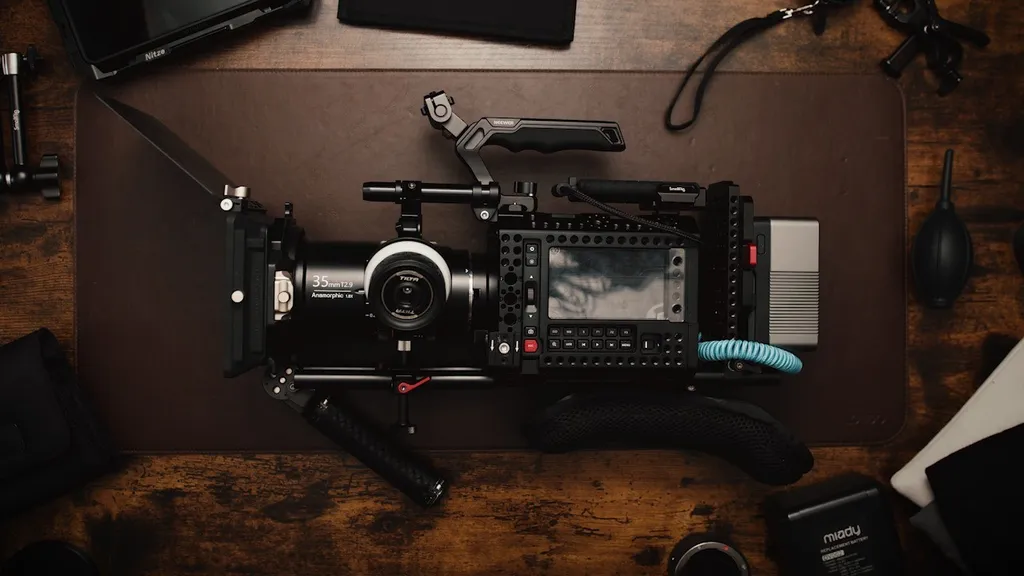
What a Camera Rig Is
A camera rig is a camera plus everything attached to it or holding it up. That means the lens, a cage or plate for mounting points, handles, a monitor, a mic or wireless audio, a battery, and whatever it sits on, whether that is your hands, a shoulder mount, a gimbal, or a tripod. A rig can be as small as a mirrorless camera with a cage and a top handle, or as big as a cinema camera with rods, a matte box, and a V-mount brick.
On Rig Designer, 700 rigs have been published by filmmakers and photographers. Each one lists every part, what it costs, and whether the parts fit together. This page walks through the parts, types, and costs, and explains how to get started building your own.
The Parts of a Camera Rig
Not every rig needs every part. A typical rig here has 15 parts, but some use much fewer or many more.
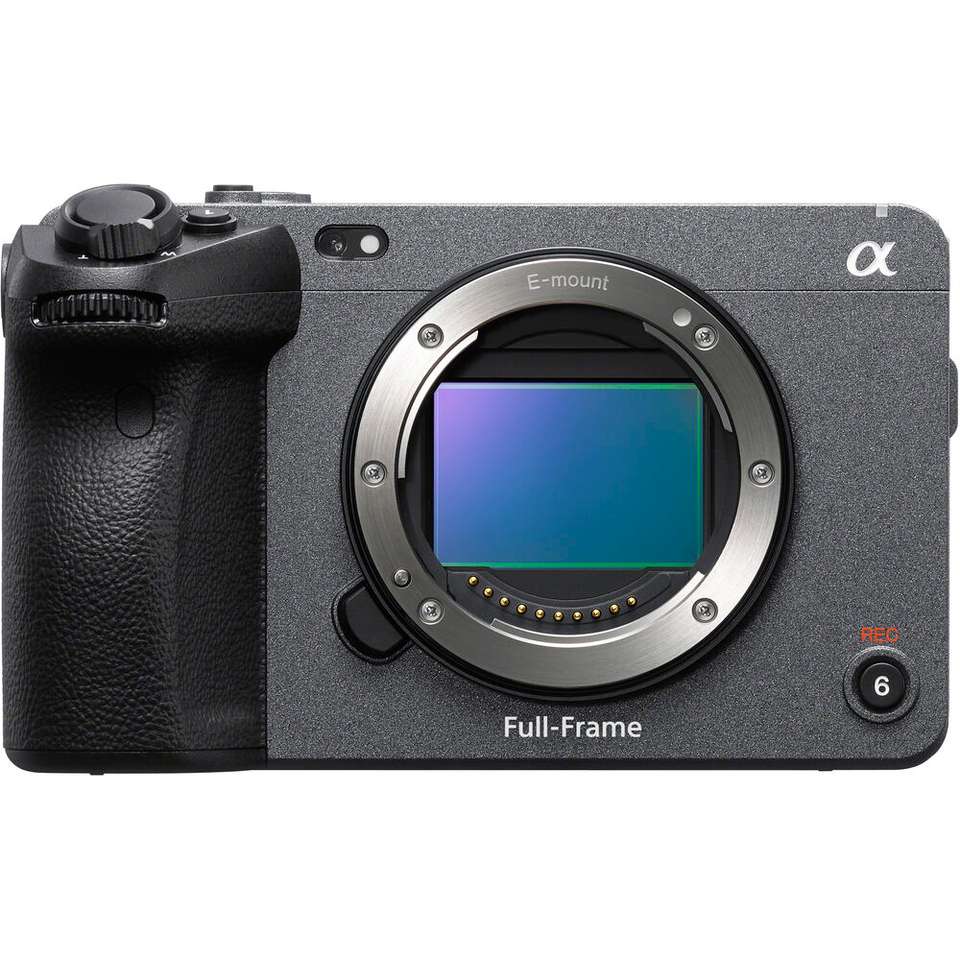
Camera Body
Everything else follows from the body. Its mount decides which lenses fit, its slots decide which cards work, and its shape decides which cage fits.
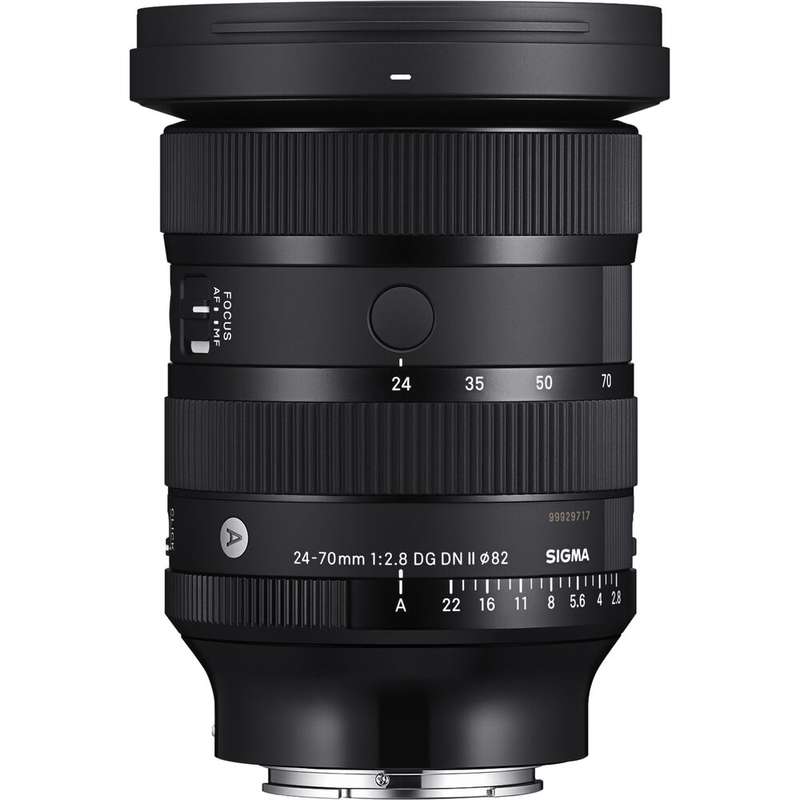
Lens
Has to match the mount, or go through an adapter. Cinema lenses have gears for a follow focus. Photo lenses are lighter and often sharper for the money.
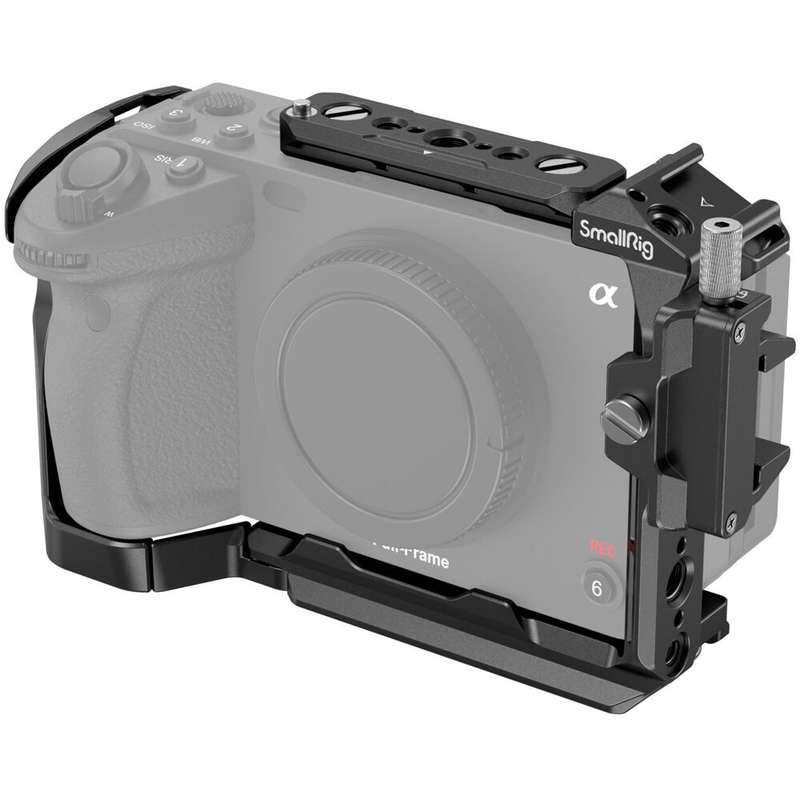
Cage
A metal frame made for one specific camera. It protects the body and adds the threads, cold shoes, and ARRI pins that everything else bolts to.
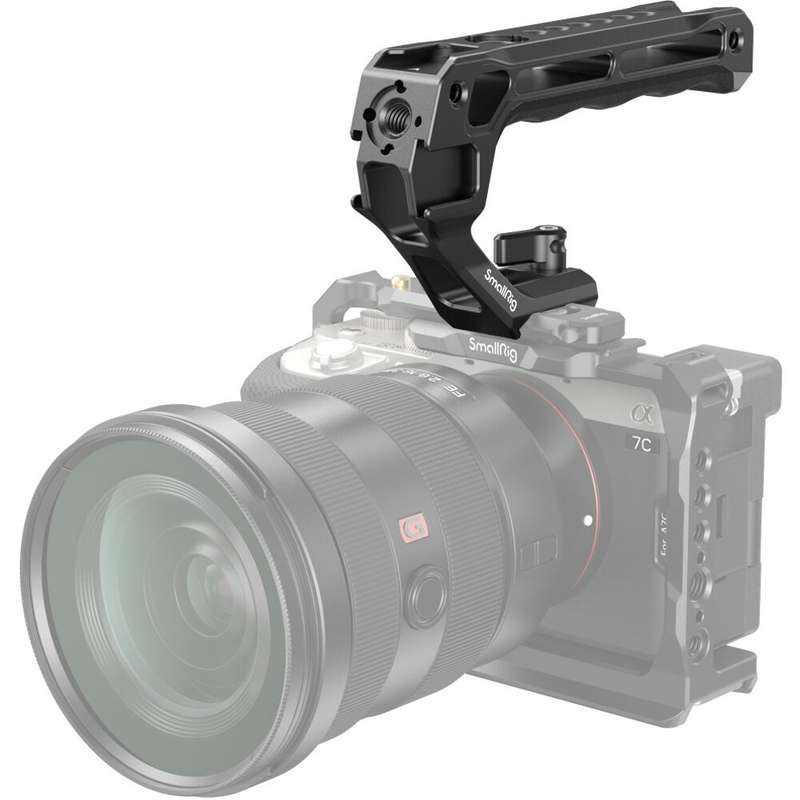
Handles
A top handle for carrying low and moving fast, side handles for two-handed control. They mount to the cage, not the camera.
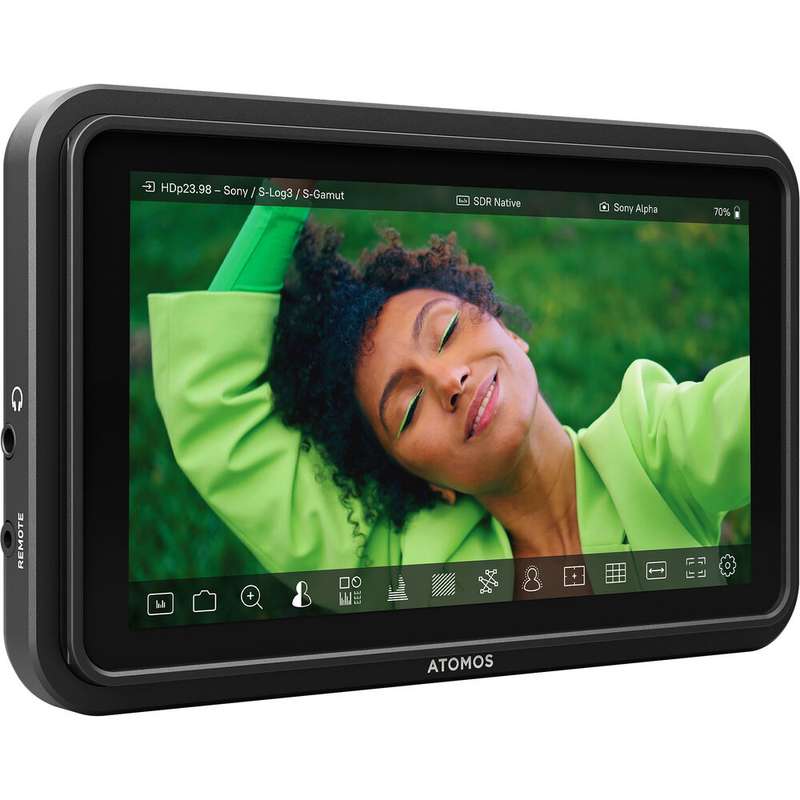
Monitor
A bigger, brighter screen with focus and exposure tools, and often a recorder built in. It mounts to the cage or handle and runs off the rig.
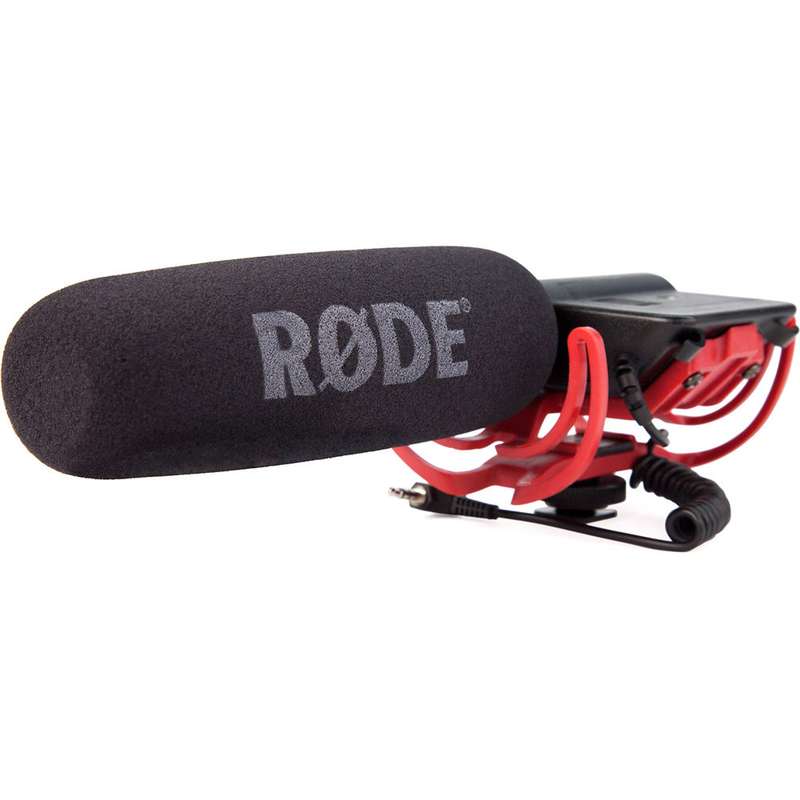
Audio
An on-camera shotgun, a wireless lav, or a separate recorder. Built-in camera audio is weak on most bodies, so this is the upgrade people notice.
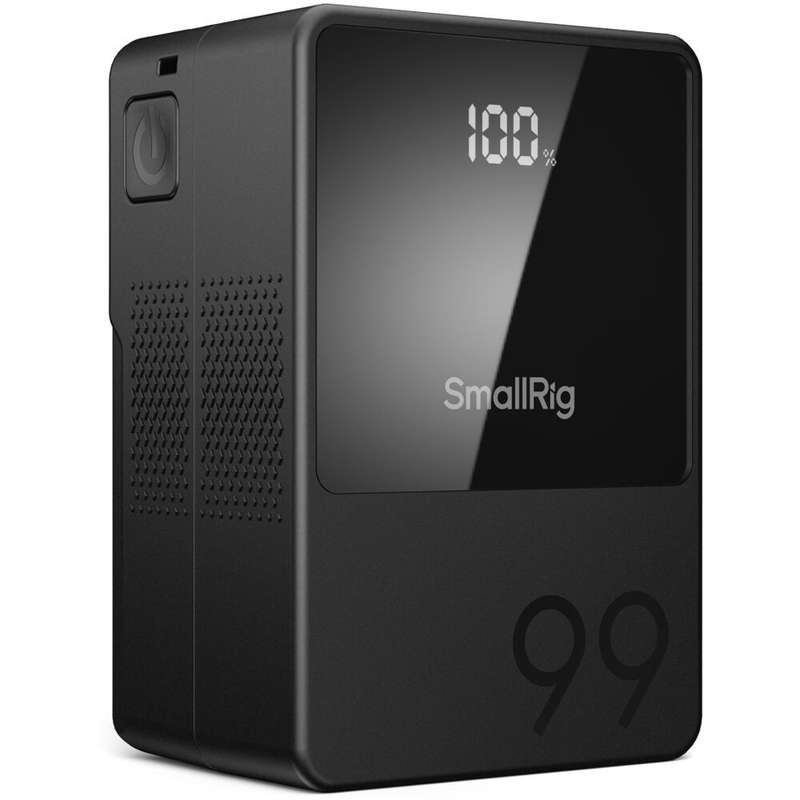
Power
The camera's own batteries on a light rig. On a bigger one, a V-mount or Gold-mount brick powers the camera, monitor, and wireless audio all day.
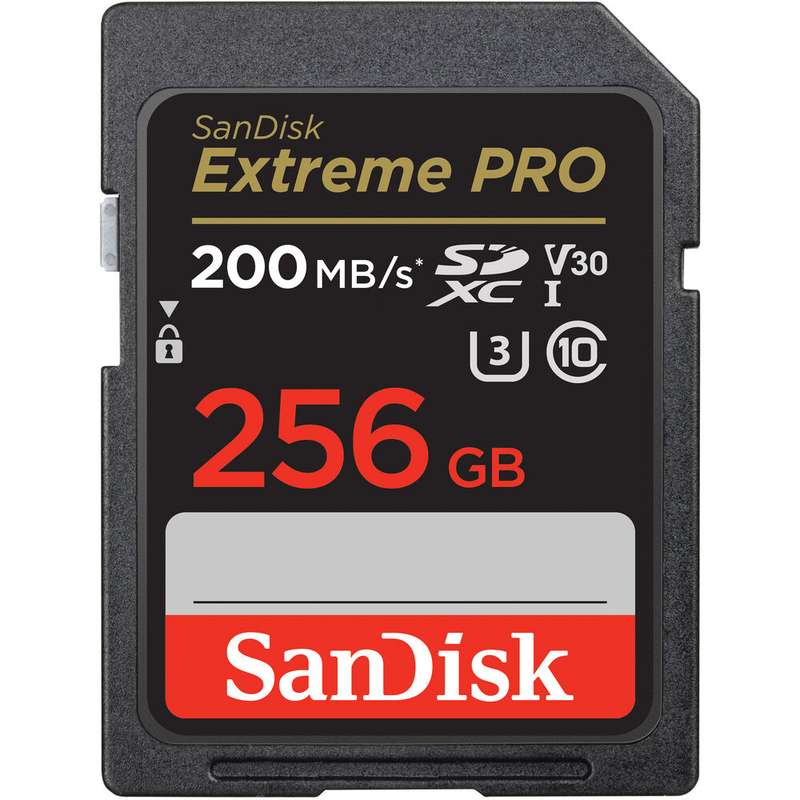
Media
Cards fast enough for the codec and frame rate you shoot, or an external SSD if the camera supports one. The wrong card is the most common mistake in a new rig.
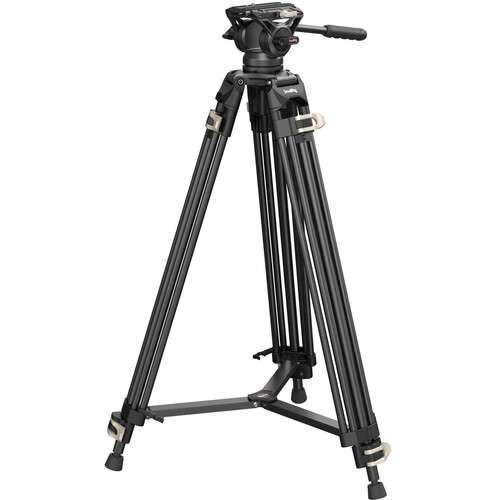
Support
A tripod with a fluid head for locked-off and panning shots, a shoulder mount for long handheld days, and a gimbal for moving shots.
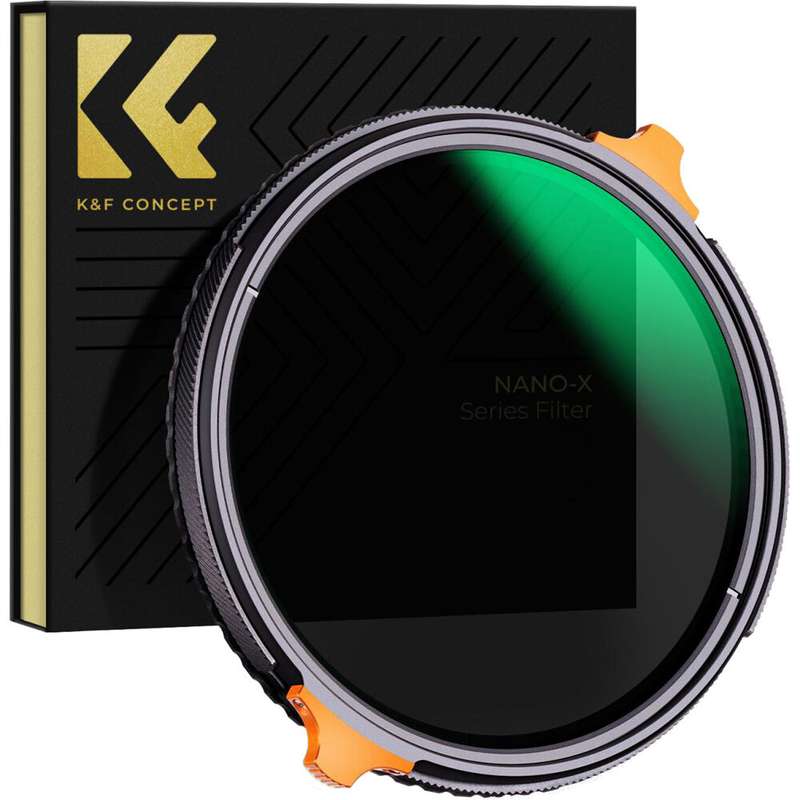
Filters
A variable ND to keep the shutter angle in bright light, a polarizer for glass and water, and a matte box on bigger builds.
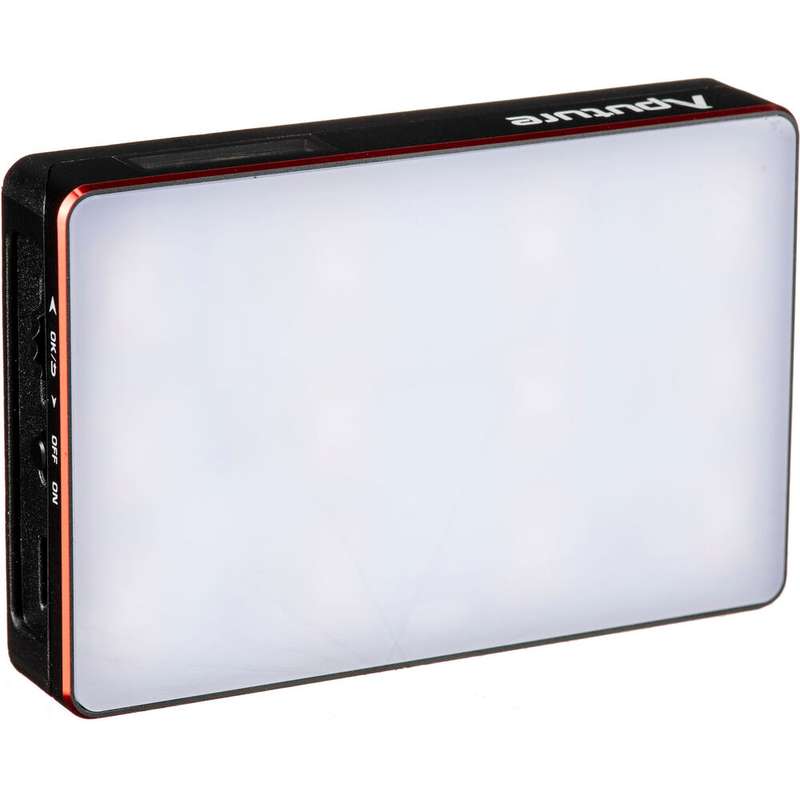
Lights
Usually part of the kit rather than the rig. The exception is a small LED on the cold shoe.
Types of Camera Rigs
The same camera gets rigged differently for different jobs.
Handheld Rigs
A cage, a top handle, and usually a monitor. The most common video rig, and most of the rigs published here.
Shoulder Rigs
Rods, a shoulder pad, and front grips put the weight on your body instead of your wrists. Built for long documentary and event days.
Gimbal Rigs
The camera balanced on a motorized stabilizer. Kept as light as possible, with a small lens, a small monitor, and no battery brick.
Tripod and Studio Rigs
Built to stay put, with weight being less of a consideration. A bigger monitor, mains or brick power, and a matte box.
Compact and Vlogging Rigs
A small body with a light cage or none at all, a mini shotgun mic, a grip or mini tripod, and a wide lens.
Underwater Rigs
A housing rated for the depth, a port for the lens, and lights on arms, because color disappears underwater.
What a Camera Rig Costs
The camera and lens are usually at least half the total. A cage, handle, monitor, and audio add anywhere from a few hundred to a couple of thousand dollars. The figures below come from the rigs published on Rig Designer.
$5,727
Median published rig
$900
Cheapest rig on a popular camera
15
Parts in a typical rig
The Most-Rigged Cameras
These cameras have the most published rigs on our site. They are some of the easiest cameras to build on, with an abundance of knowledge around how to rig them.
Sony FX3 Full-Frame Cinema Camera
73 rigs · from $4,980
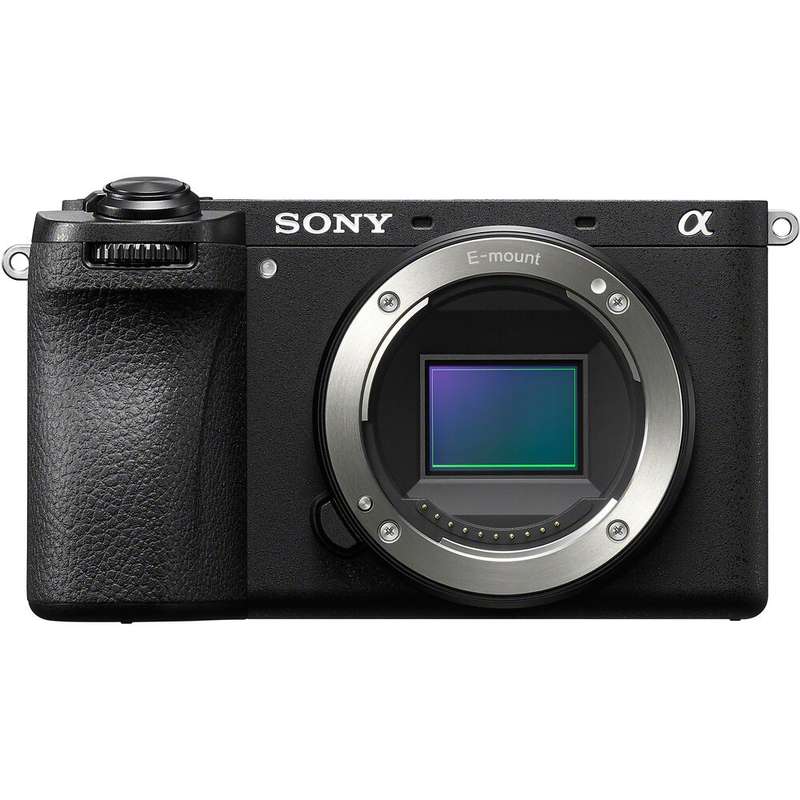
Sony a6700 Mirrorless Camera
47 rigs · from $2,110
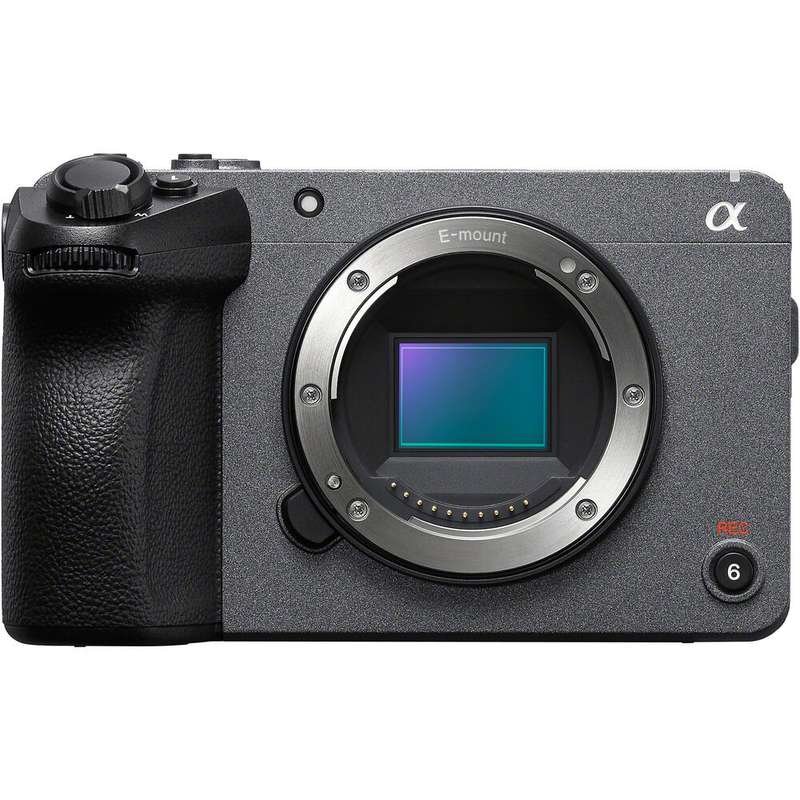
Sony FX30 Digital Cinema Camera
37 rigs · from $2,755
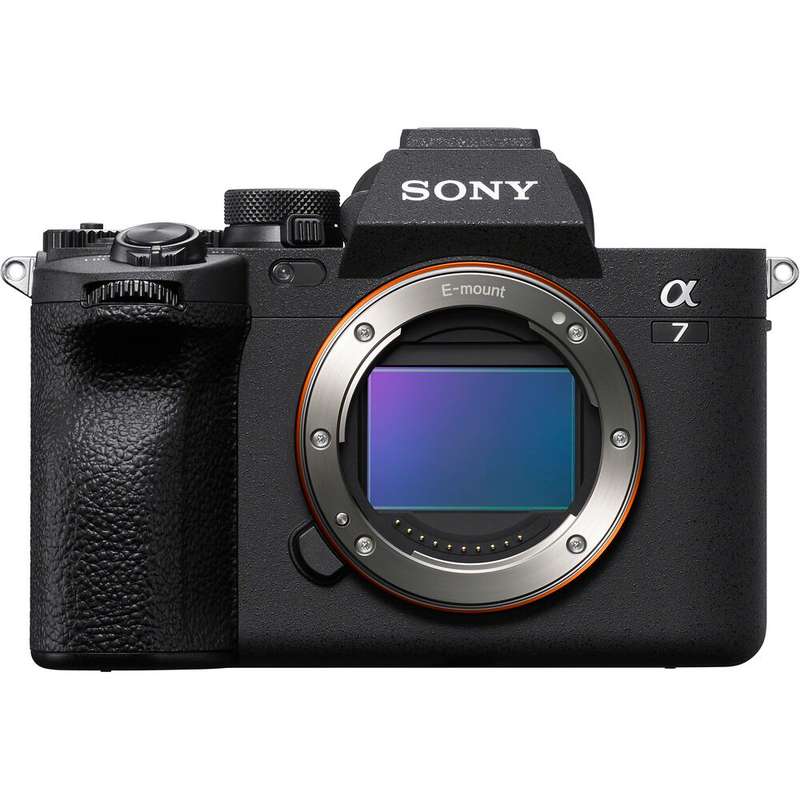
Sony a7 IV Mirrorless Camera
33 rigs · from $3,351
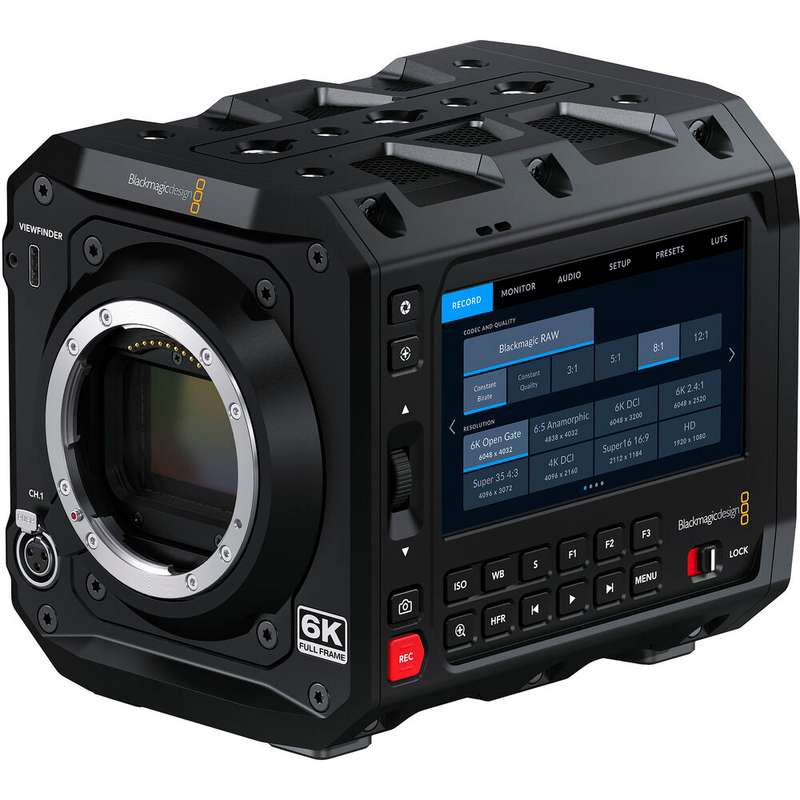
Blackmagic Design PYXIS 6K Cinema Box Camera (Leica L)
26 rigs · from $3,421
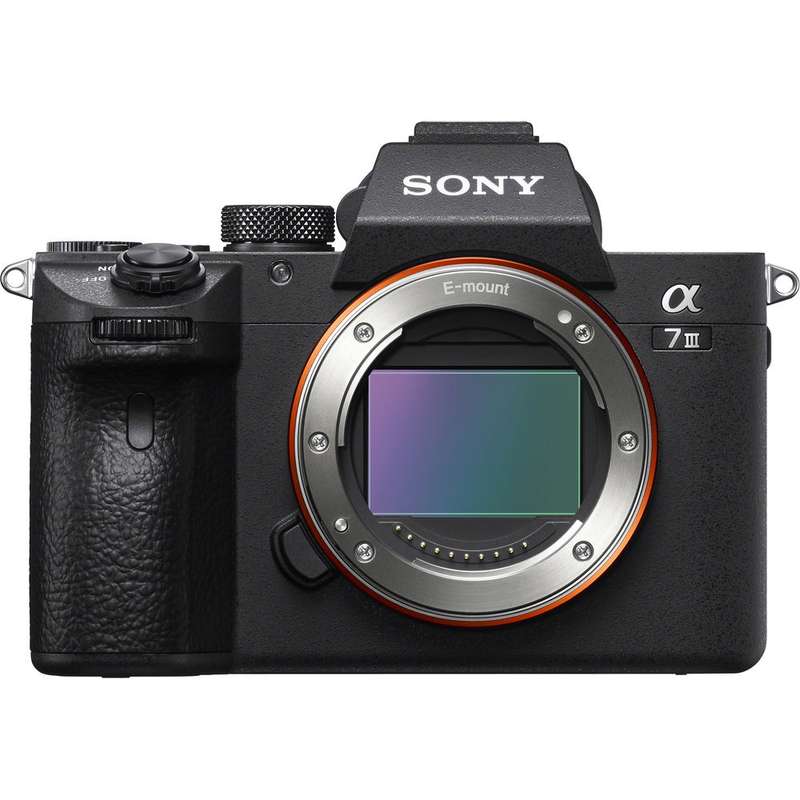
Sony a7 III Mirrorless Camera
26 rigs · from $1,996
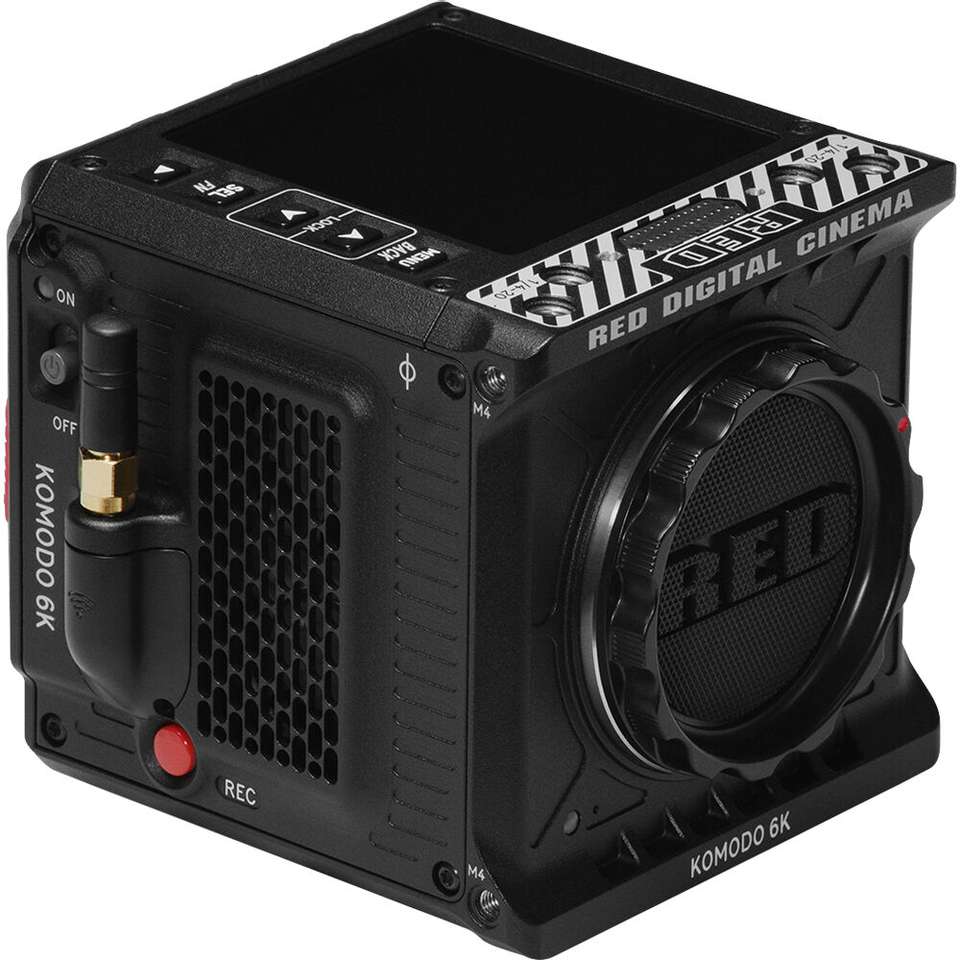
RED DIGITAL CINEMA KOMODO 6K Digital Cinema Camera (Canon RF)
18 rigs · from $3,509
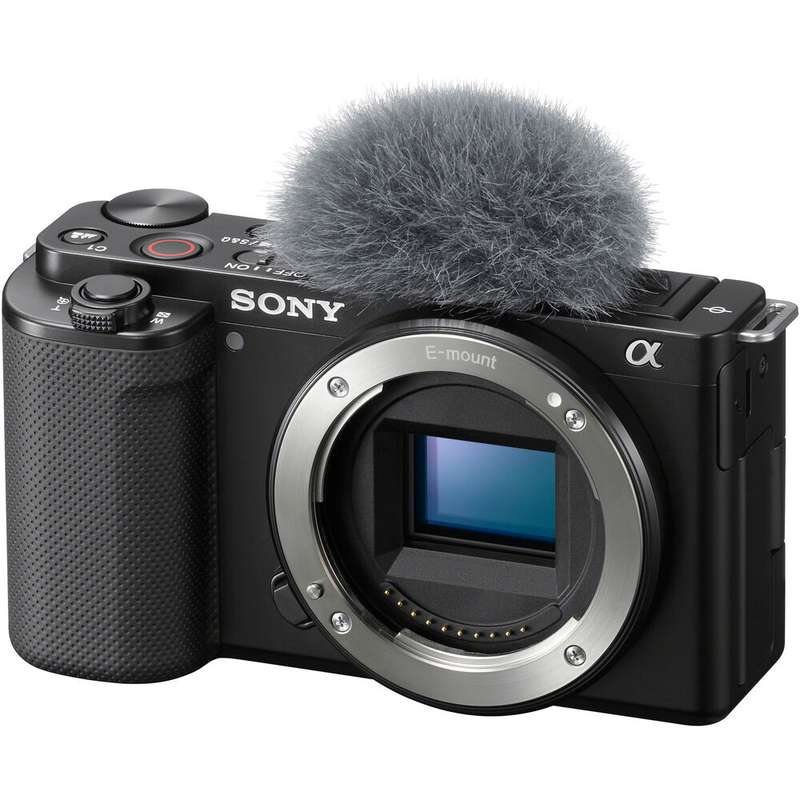
Sony ZV-E10 Mirrorless Camera
18 rigs · from $1,312
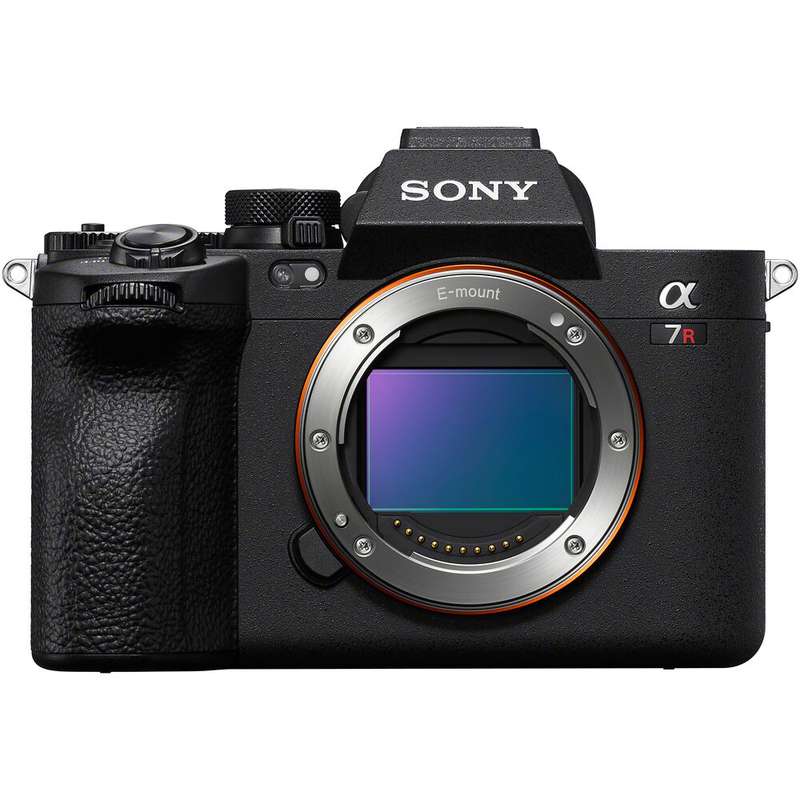
Sony a7R V Mirrorless Camera
18 rigs · from $6,223
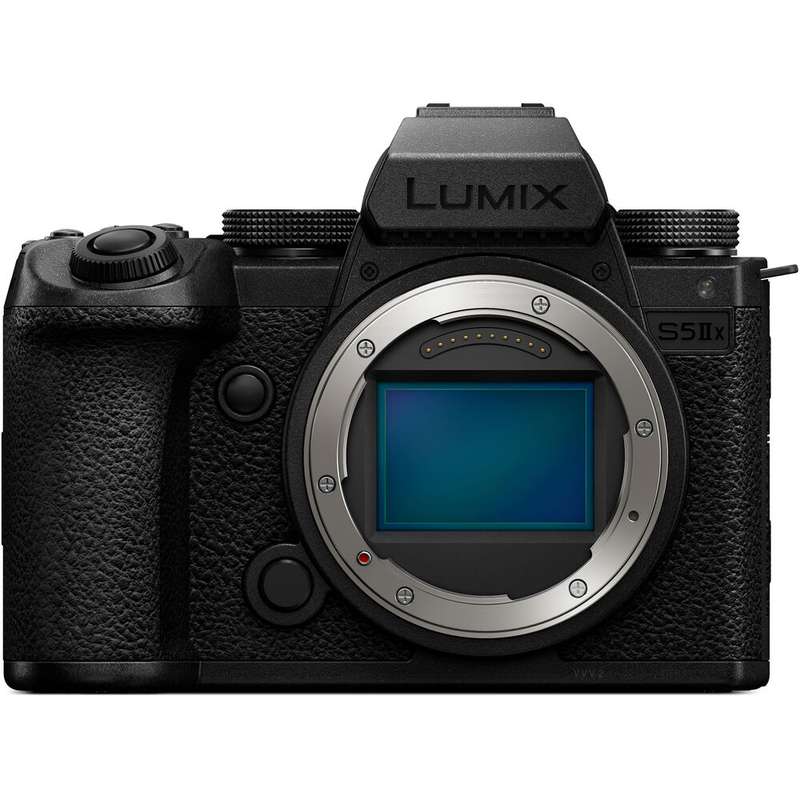
Panasonic Lumix S5 IIX Mirrorless Camera
16 rigs · from $2,734
How to Build a Camera Rig
Follow along in the rig builder! Not sure where to start? Copy a build guide instead.
- 1
Start With the Camera
Open the rig builder and add a camera based on your goals and budget.
- 2
Add the Lens, Then the Cage
The builder checks the lens against the mount and the cage against the exact model, and flags anything that doesn't fit before you buy.
- 3
Add What the Job Needs
Add a monitor for focus and exposure, audio for anything with dialogue, and a bigger battery once the monitor and wireless audio drain your existing ones.
- 4
Watch the Compatibility Checks
The compatibility checker compares product specs across the whole rig and tells you what doesn't fit or may cause issues.
- 5
Publish It
Published rigs can be viewed by anyone and may help out other creators in their own journeys!
Popular Camera Rigs
The highest-rated rigs that have been published on Rig Designer.

$7,978.28
Personal Build for 2026!
Michael Gilbert

$4,775.02
SONY ZV-E1 Budget Cinema Rig!
Anthony Fratto

$6,691.01
Motion Method - Video Production Rig
Logan Glover

$7,271.70
Sony A7SIII Cinema Rig
Michael Gilbert

$6,877.83
SONY ZV-E1 Dream Cinema Rig!
Anthony Fratto

$10,360.61
Full Cinematography Rig (PYXIS 6K) (V1 older version)
Jarod Parker

$6,286.60
Motion Method - Social Media Content Rig (PHOTO)
Logan Glover

$4,272.06
BMPCC 6K Pro (Minimal) Videography Rig
Jarod Parker
Common Questions About Camera Rigs
What is a camera rig?
A camera rig is a camera plus everything attached to it or holding it up. That means the lens, a cage or plate for mounting points, handles, a monitor, a mic or wireless audio, a battery, and whatever it sits on, whether that is your hands, a shoulder mount, a gimbal, or a tripod. A rig can be as small as a mirrorless camera with a cage and a top handle, or as big as a cinema camera with rods, a matte box, and a V-mount battery.
What parts do I need for a basic camera rig?
For handheld video, most people start with five parts. The camera, a lens, a cage made for that exact camera, a top handle, and a memory card the camera can use. A monitor, a shotgun or wireless mic, and a bigger battery come next, in whatever order the job calls for. A photography rig can be as little as a camera, a lens, and a tripod.
How much does a camera rig cost?
Published rigs on Rig Designer range from a few hundred dollars for a compact vlogging setup to more than ten thousand for a cinema build. The camera and lens are usually at least half the total. A cage, handle, monitor, and audio add anywhere from a few hundred to a couple of thousand dollars. The most-rigged cameras section on this page lists the cheapest published rig for each popular camera.
How do I know which cage or parts fit my camera?
Cages are made for specific cameras, lenses need the right mount or an adapter, and batteries and cards have to match what the camera takes. The Rig Designer builder checks all of that as you add parts, using the specs of each product, and flags anything that does not fit before you buy.
What is the difference between a camera cage and a camera rig?
A cage is one part. It is a metal frame that wraps the camera and adds threaded mounting points. A rig is everything built around the camera, and the cage is usually the foundation.
Do I need a shoulder rig or a gimbal?
They solve different problems. A shoulder rig steadies a heavier camera against your body for long handheld shoots and keeps the weight off your wrists. A gimbal keeps the camera level and smooth while you move, but takes time to set up and has a lower weight limit. Many filmmakers own both and pick per shoot. Browse rigs tagged Shoulder Rig or Gimbal to see how other people set each one up.