Choosing a Camera to Build On
With respect to rig-building, four aspects of a camera are critical. The lens mount decides which lenses and adapters fit. Cage support decides whether a cage exists for it at all, since new or niche cameras can wait months for one. Power and media decide how long you can shoot and which cards you have to buy. Recording limits and cooling decide whether it can roll through long sessions.
Beyond this, cameras have many more aspects that differentiate them from each other. This page walks through some of those things.
Cameras by Type
These are the most common camera types. Hobby and professional rigs are typically built around mirrorless, box cinema, compact cinema, or DSLR cameras.
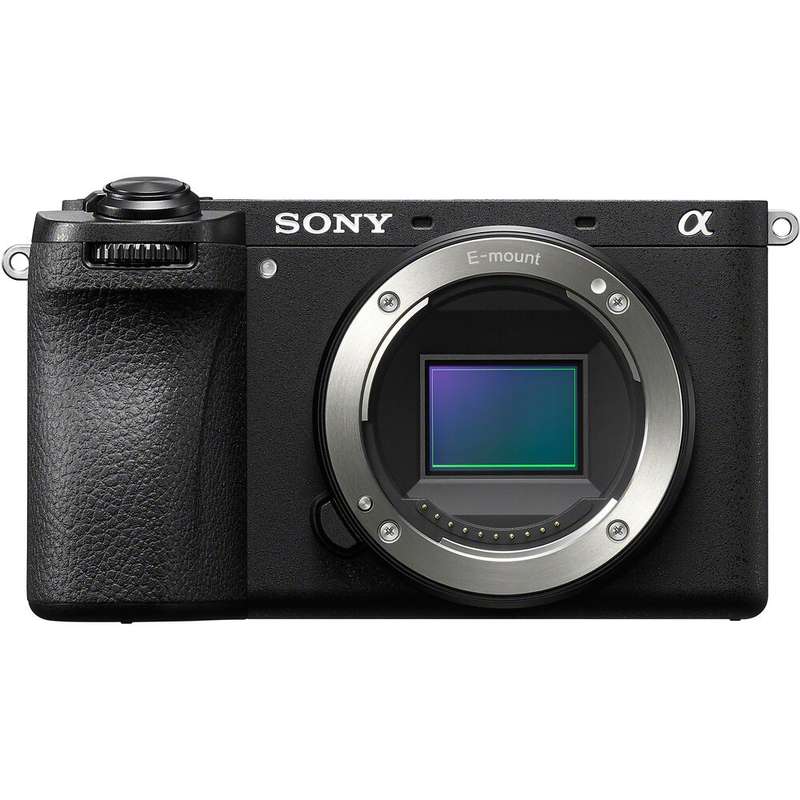
Mirrorless Cameras
1,450 cameras
Built for stills but shoot serious video too. The most common camera in published rigs.
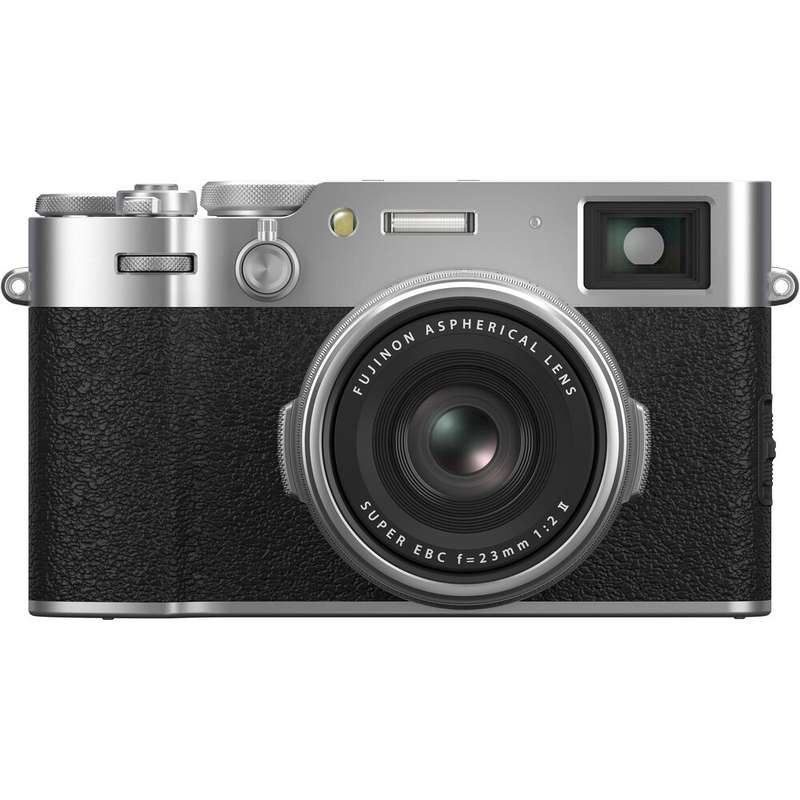
Point & Shoot Cameras
484 cameras
Compact cameras with a fixed lens.
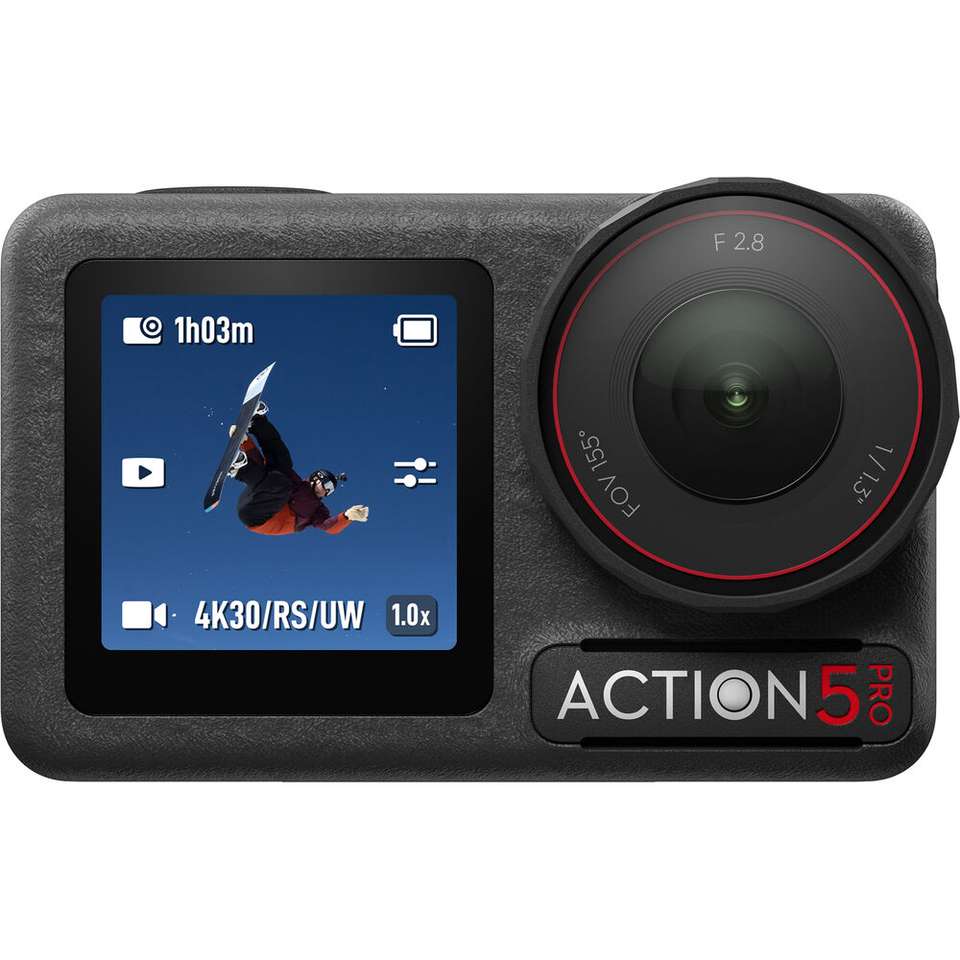
Action Cameras
225 cameras
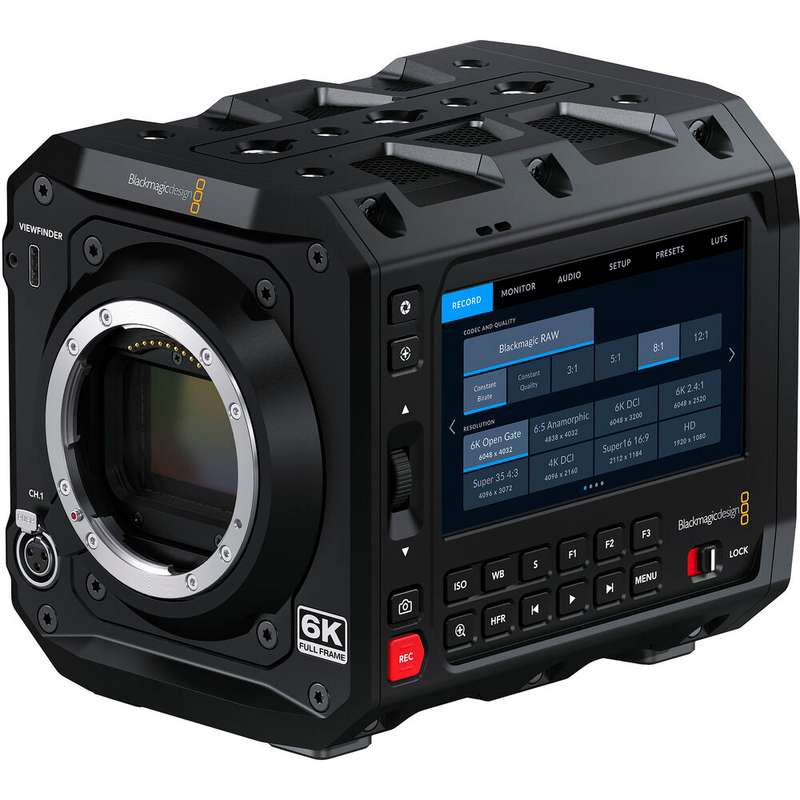
Box Cinema Cameras
224 cameras
Cube-shaped cinema cameras with no grip or screen of their own. Made to be built into a rig.
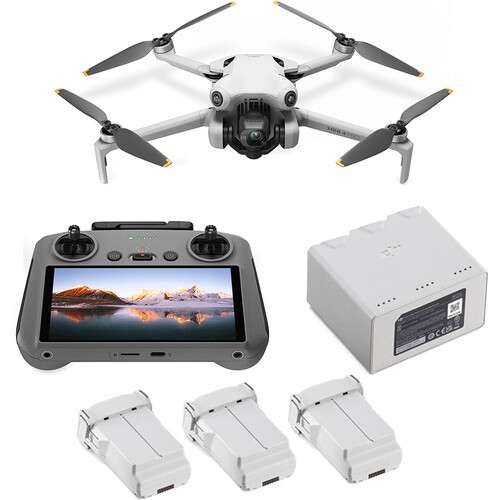
Drones
202 cameras
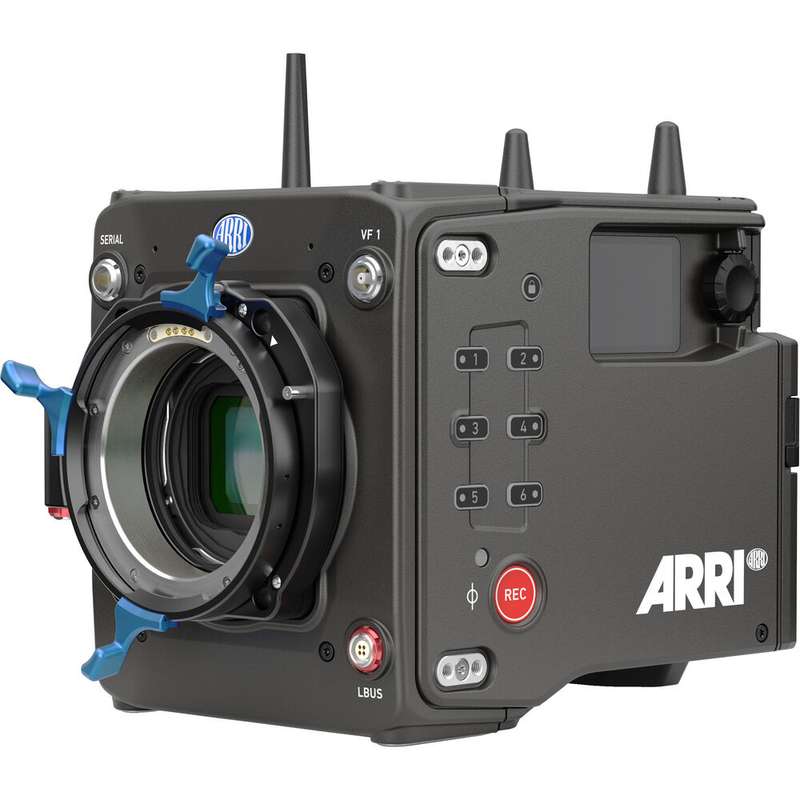
Premium Cinema Cameras
116 cameras
The big cinema cameras used by rental houses and productions. Rigged with rods, matte boxes, and brick power.
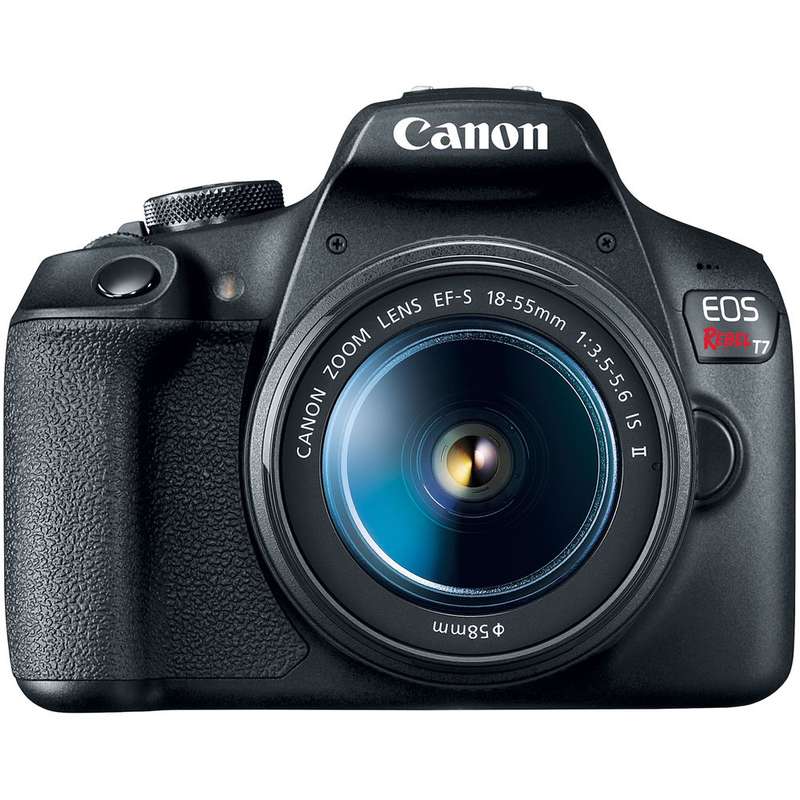
DSLR Cameras
97 cameras
The mirror-and-prism cameras that came before mirrorless. Still good for stills, but mirrorless has taken over for video.
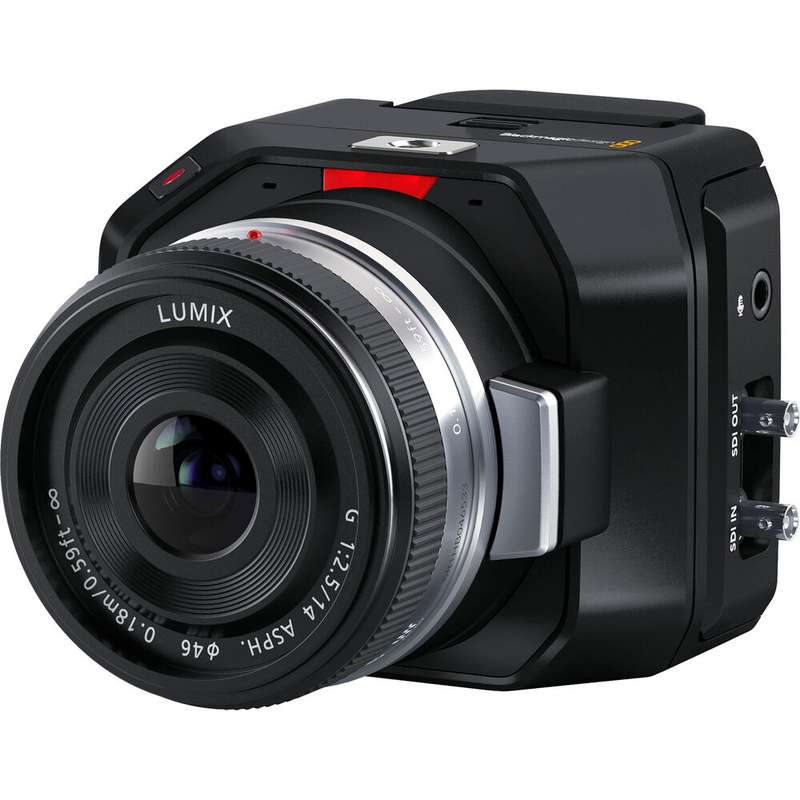
TV Cameras
84 cameras
Broadcast and studio cameras.
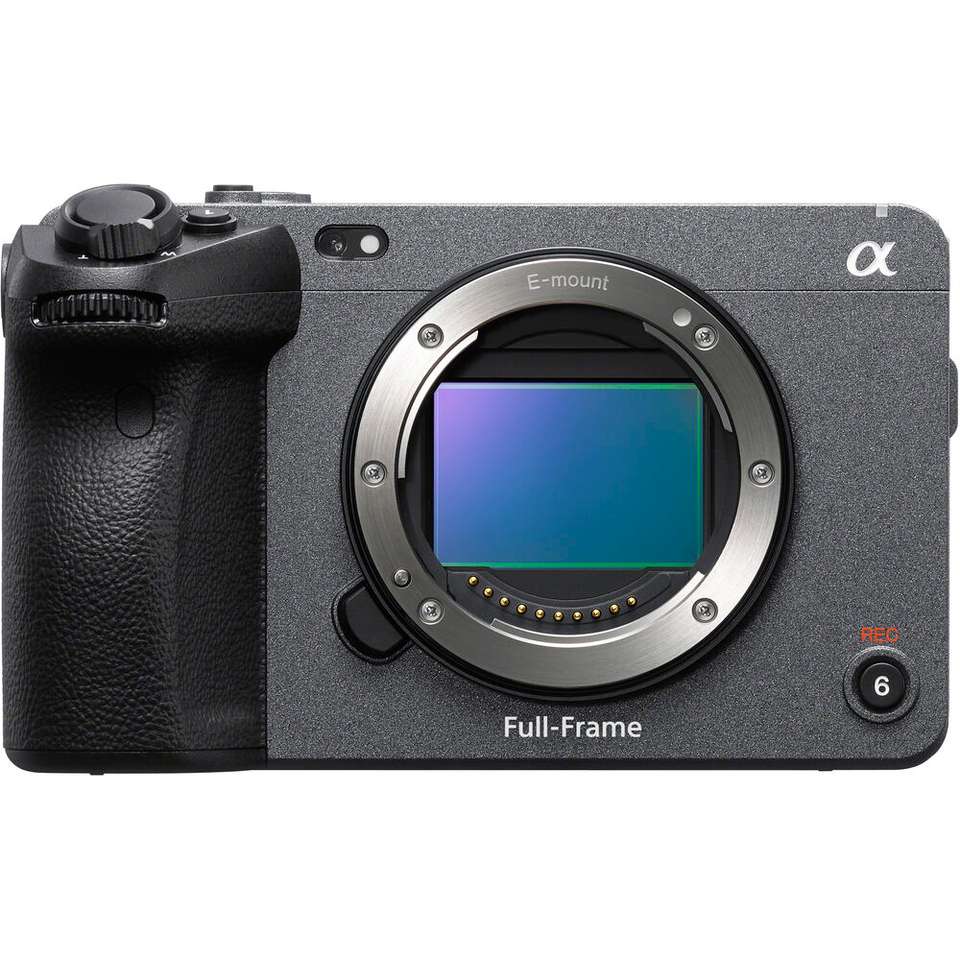
Compact Cinema Cameras
84 cameras
Built for video, in a body the size of a mirrorless camera. Pro audio, cooling, and mounting points come built in.
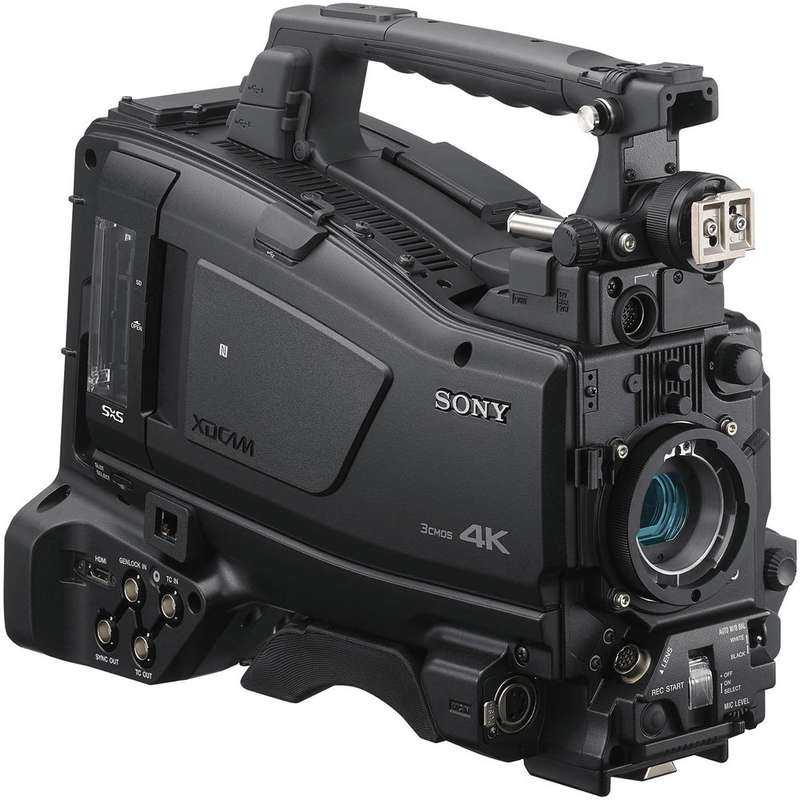
Camcorders
71 cameras
All-in-one video cameras with a built-in zoom lens and handle.
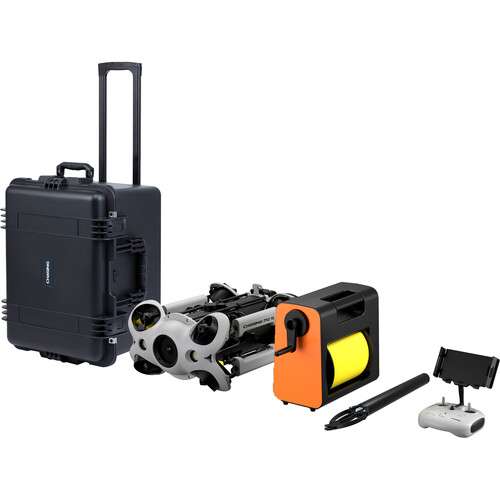
Underwater Drones
46 cameras
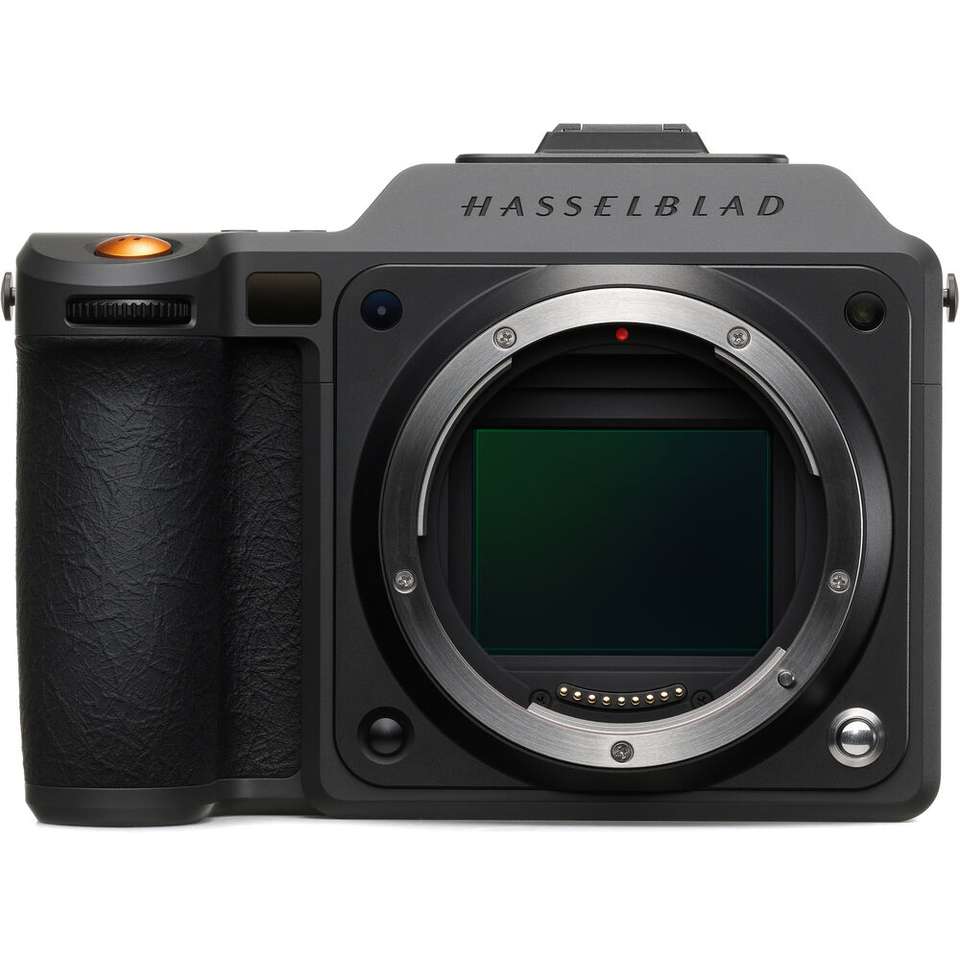
Medium Format Cameras
13 cameras
Sensors bigger than full frame, for the highest-resolution stills work.
The Most-Rigged Cameras
These cameras have the most published rigs on our site. They are some of the easiest cameras to build on, with an abundance of knowledge around how to rig them.
Sony FX3 Full-Frame Cinema Camera
75 rigs · from $5,344
Sony a6700 Mirrorless Camera
49 rigs · from $2,097
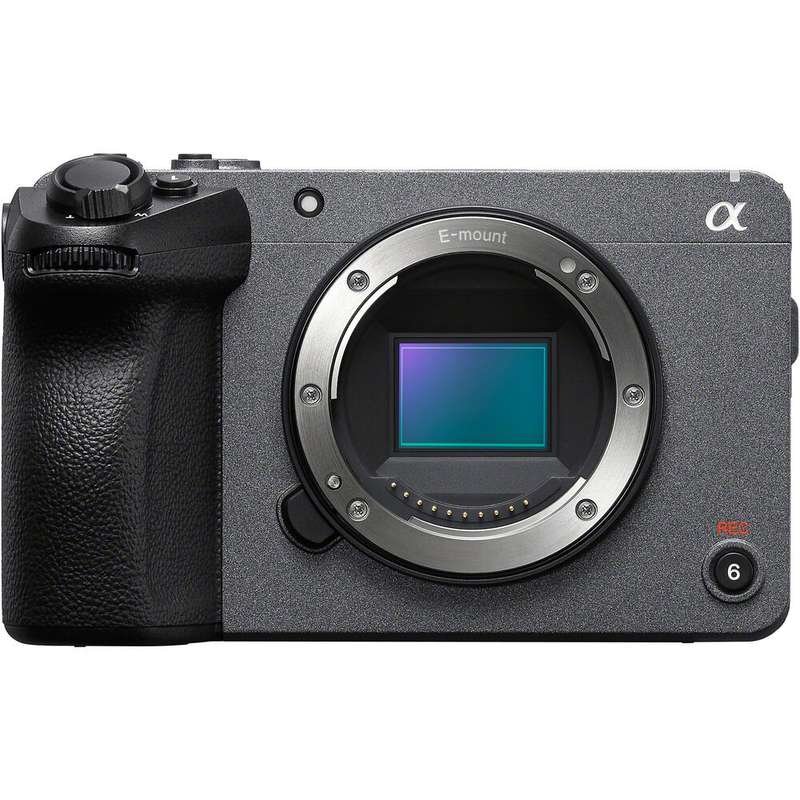
Sony FX30 Digital Cinema Camera
40 rigs · from $2,806
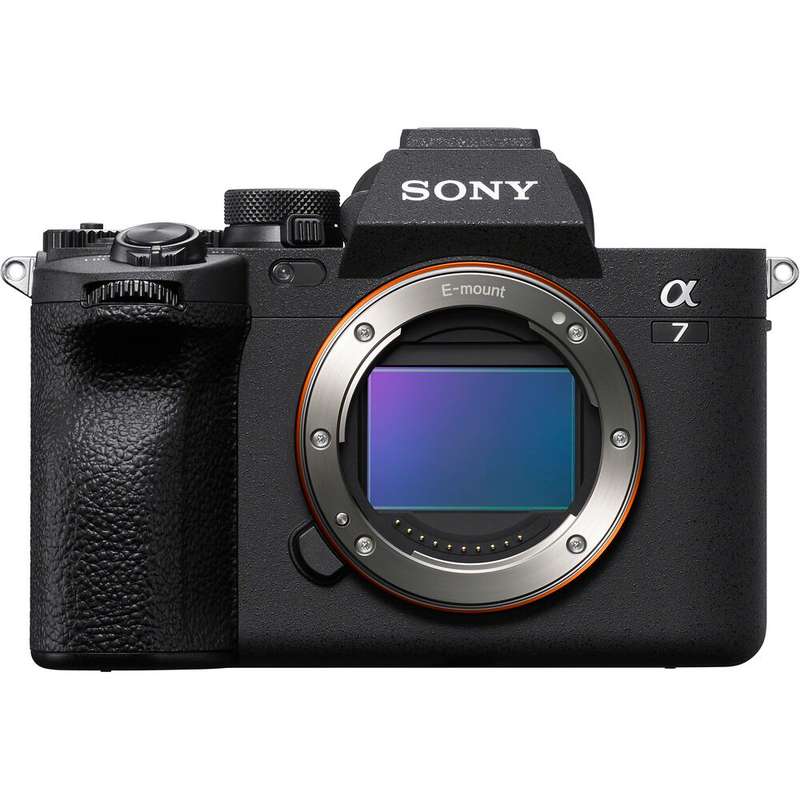
Sony a7 IV Mirrorless Camera
35 rigs · from $3,245
Blackmagic Design PYXIS 6K Cinema Box Camera (Leica L)
28 rigs · from $3,421
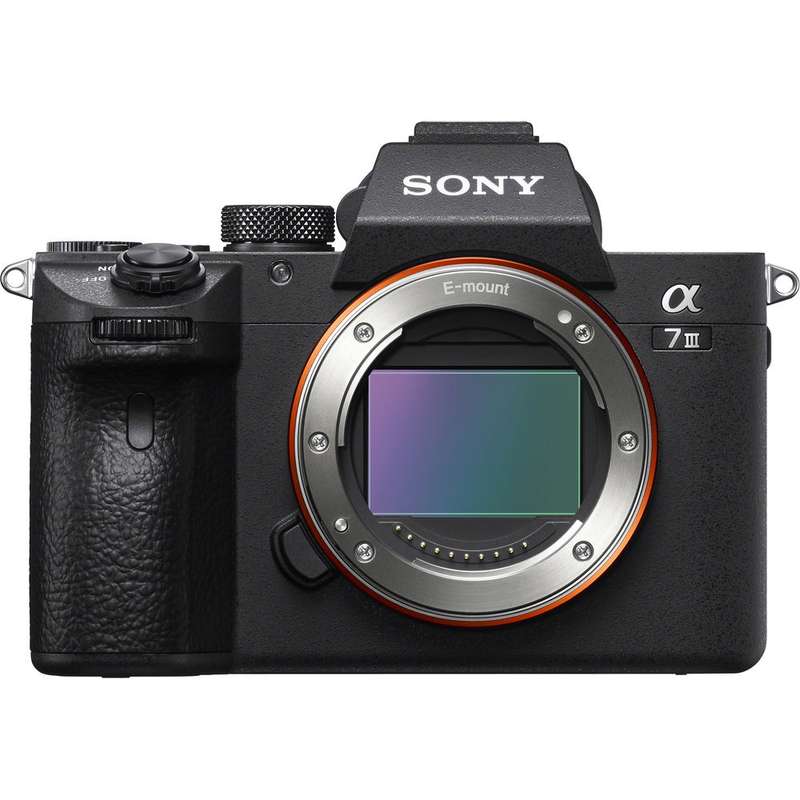
Sony a7 III Mirrorless Camera
28 rigs · from $2,023
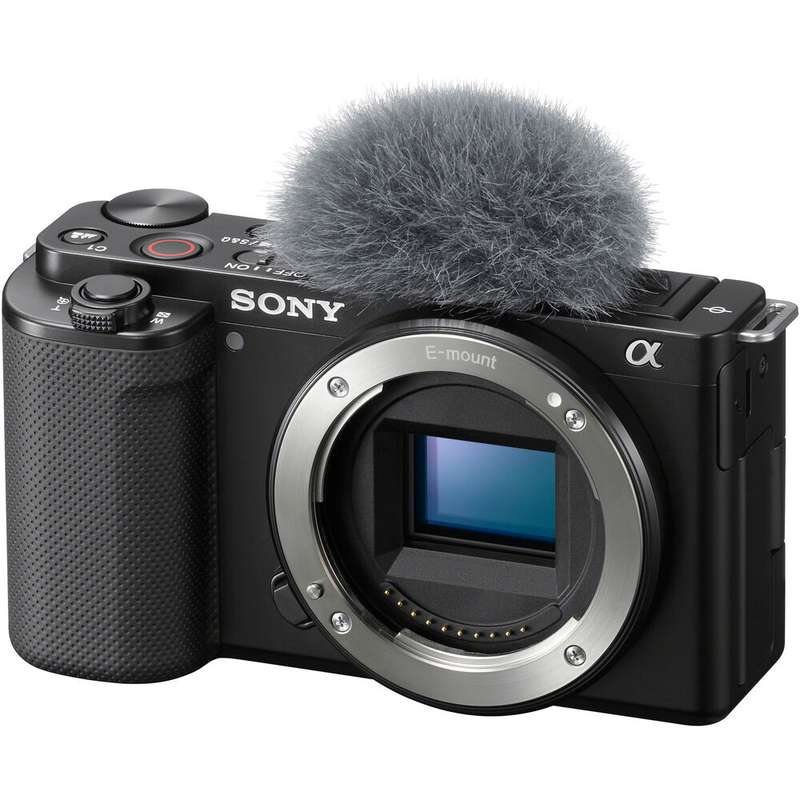
Sony ZV-E10 Mirrorless Camera
20 rigs · from $1,315
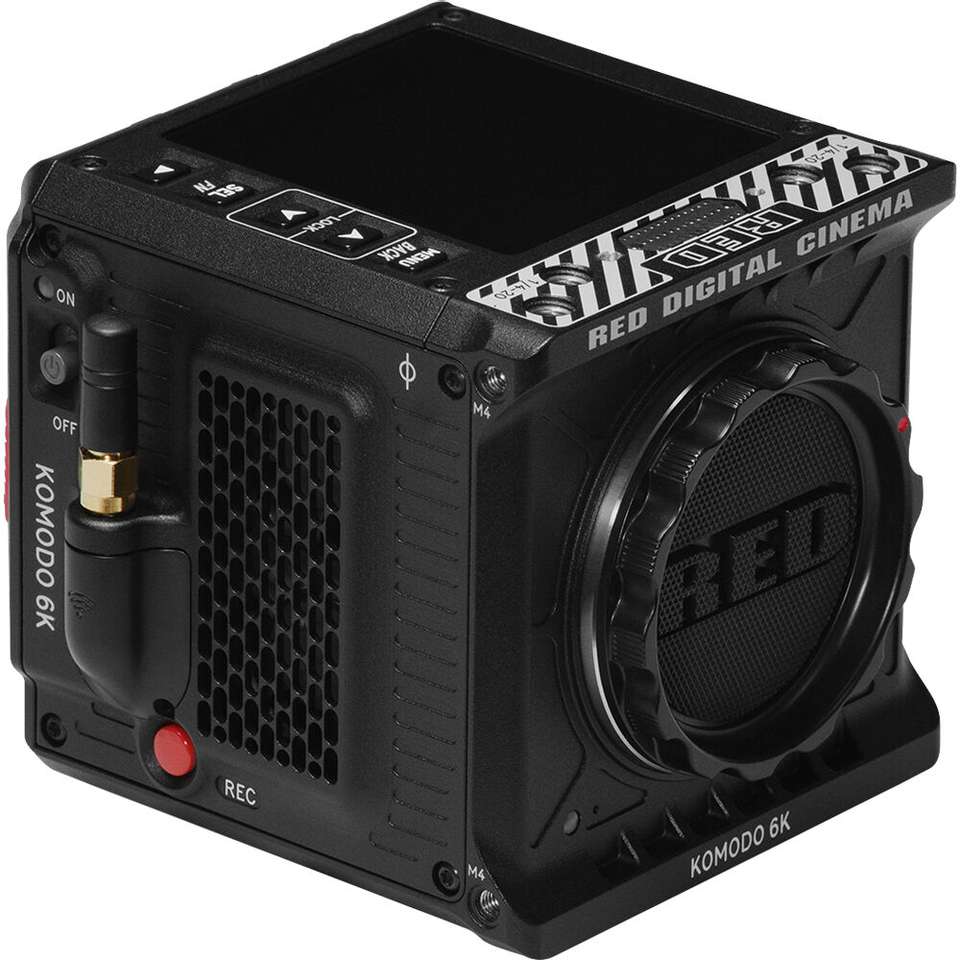
RED DIGITAL CINEMA KOMODO 6K Digital Cinema Camera (Canon RF)
18 rigs · from $3,509
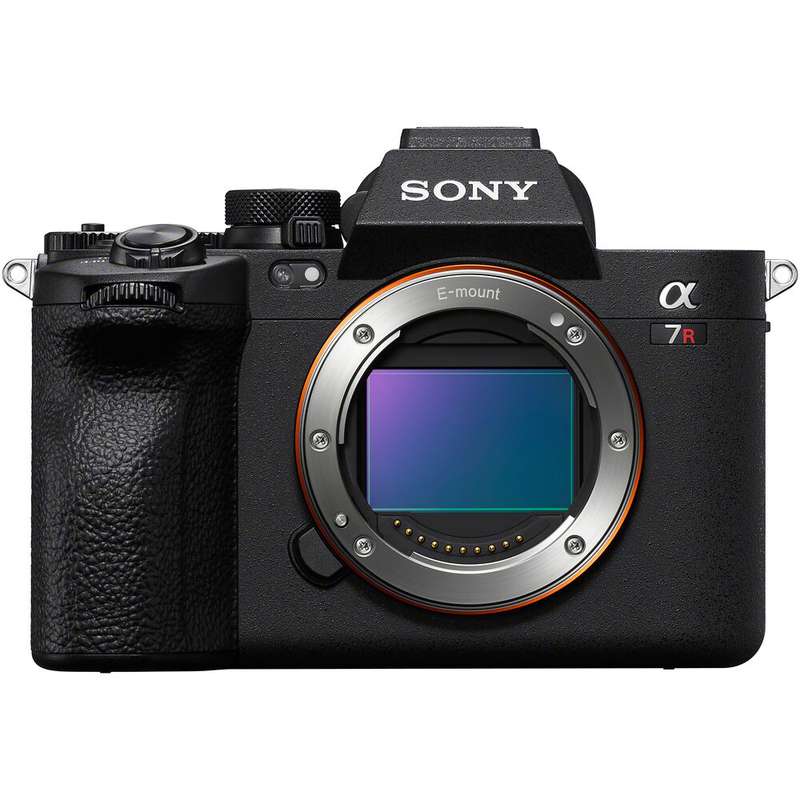
Sony a7R V Mirrorless Camera
18 rigs · from $6,585
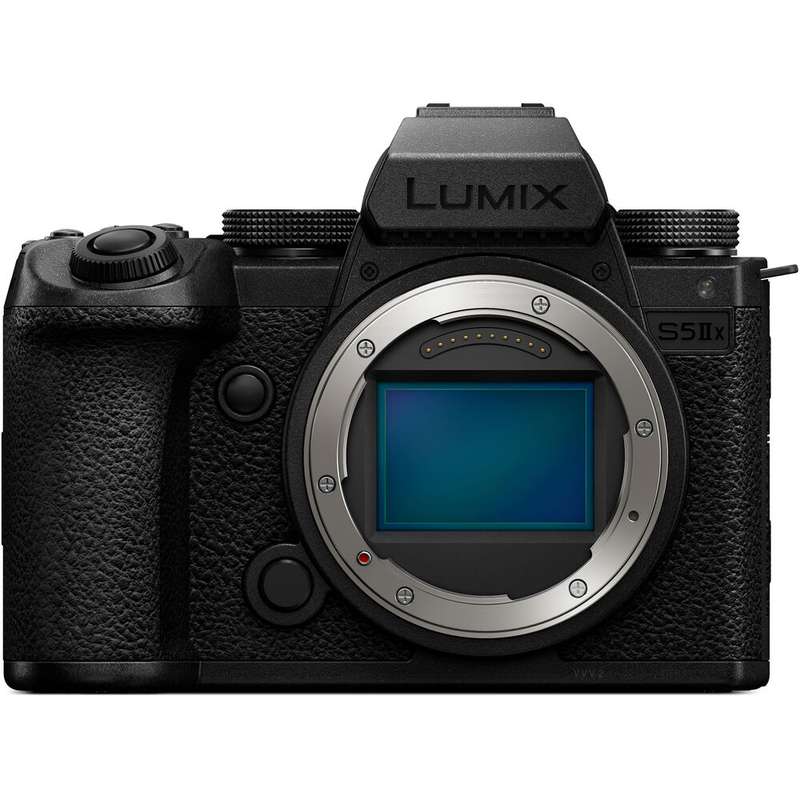
Panasonic Lumix S5 IIX Mirrorless Camera
16 rigs · from $3,240
Common Questions About Cameras
What is the difference between a mirrorless camera and a cinema camera?
A mirrorless camera is built for stills first and records video as well. It has a small body, an electronic viewfinder, a mechanical shutter, and batteries and media sized for photography. A cinema camera is built for video only. It has no viewfinder or a detachable one, pro audio inputs, timecode, cooling for unlimited recording, built-in ND filters on many models, and mounting points for a rig on the body itself. Compact cinema cameras like the Sony FX3 and Blackmagic Pocket sit in between, and they are some of the most-rigged cameras on this site.
Is a DSLR still worth buying for video?
For video, usually not. New DSLRs are few and far between, and mirrorless has taken over with better video autofocus, no mirror slap, and in-body stabilization. A used DSLR is still a capable stills camera and can anchor a budget rig, but its lens mount is a dead end, so the money usually goes further on a mirrorless camera.
What is a box cinema camera?
A cube-shaped cinema camera with no grip, screen, or handle of its own, like the RED KOMODO or Blackmagic PYXIS. It is meant to be built into a rig. A cage or plate, a top handle, a monitor, and a battery plate turn the box into a working camera, which is why box cameras have some of the most complete rigs on the site.
How much does a camera cost with a full rig?
The camera is usually half the total or less once you add a lens, cage, handle, monitor, audio, and power. The most-rigged cameras section on this page shows the cheapest published rig for each popular camera, and the camera rigs explained page covers where the rest of the money goes.
Which camera brands have the most rigs?
Sony leads by a wide margin, followed by Blackmagic Design, Canon, Panasonic, Nikon, and RED. That matches what the cage and accessory makers support best. A camera with lots of published rigs is easier to build on, because the cages exist, the power options are known, and the parts lists are already written.